

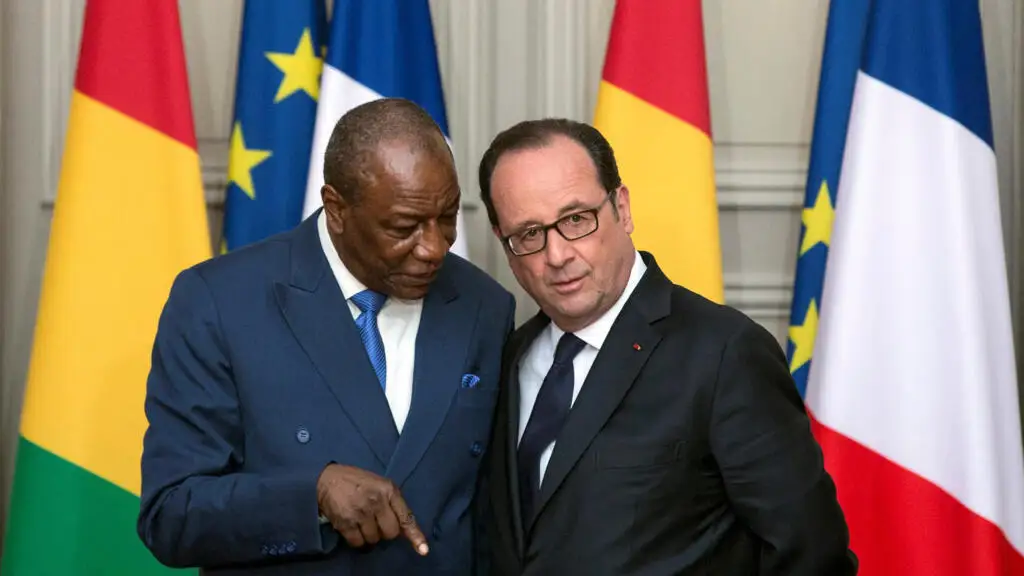
A major figure in contemporary African politics, Alpha Condé remains, for many observers, a man of ideas, a committed intellectual, and a passionate advocate of Pan-Africanism. A historic opposition leader who later became President of the Republic of Guinea, he influenced several generations through his struggle for democracy, African sovereignty, and the emancipation of the continent.
A journey forged through political struggle
Before coming to power in 2010, Alpha Condé distinguished himself for decades as one of the leading opponents of authoritarian regimes in Guinea. Exiled for many years, he established himself as an influential voice of the African opposition, advocating for multiparty democracy, civil liberties, and the rule of law.
A university professor and respected intellectual, he also developed a political vision rooted in African dignity, economic independence, and the need for African states to speak with one voice on the international stage.
An asserted Pan-African vision
Throughout his political journey, Alpha Condé presented himself as an heir to great Pan-African leaders such as Kwame Nkrumah, Thomas Sankara, and Ahmed Sékou Touré.
Under his presidency, Guinea multiplied diplomatic initiatives aimed at promoting African integration, strengthening continental institutions, and expanding South-South cooperation. Alpha Condé consistently defended the idea of an Africa capable of locally transforming its natural resources in order to create wealth and jobs for its youth.
His leadership of the African Union in 2017 reinforced his image as a statesman committed to the continent’s major challenges, particularly peace, security, industrialization, and Africa’s financial autonomy.
A defender of economic sovereignty
For Alpha Condé, Africa’s development depended above all on control over its strategic resources. In Guinea, he initiated several reforms in the mining sector aimed at increasing state revenues and encouraging the local processing of raw materials.
The Simandou Project, often described as one of Africa’s largest mining projects, reflected this ambition to make Guinea a major industrial and energy player in West Africa.
The Guinean leader also advocated for reducing economic dependence on foreign powers and for better recognition and promotion of African expertise and talent.
A figure who continues to spark debate
Although his political legacy remains the subject of debate, particularly regarding certain institutional reforms and the political tensions that marked the end of his mandate, Alpha Condé nevertheless retains an important place in contemporary African political history.
For his supporters, he remains the embodiment of African intellectual leadership committed to the continent’s sovereignty and the defense of African interests in the face of global power dynamics.
Through his speeches, positions, and political journey, Alpha Condé undeniably contributed to shaping the debate on Africa’s future, its unity, and its economic independence.