

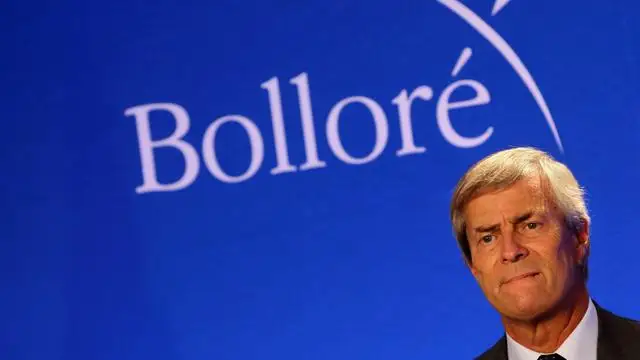
Fraud and Consumer Exploitation: Growing Calls Across Africa for Bolloré and Canal+ to Leave
For several years, many African consumers have been denouncing what they describe as unfair practices by Canal+, a subsidiary of the Bolloré Group. Across the continent, voices are increasingly calling for greater transparency in subscription management, improved service quality, and, for some consumer advocacy movements, the complete withdrawal of the company from African markets.
The main criticism concerns subscription fees, which many consumers consider excessively high compared to the purchasing power of African households. Numerous subscribers complain about recurring price increases without any significant improvement in programming or service quality. Others point to frequent broadcasting interruptions, difficulties with subscription renewals, and customer service that is often perceived as inadequate.
On social media, protest campaigns have multiplied. Consumer rights organizations in several African countries have also expressed concern over what they view as a near-monopoly in the pay television sector. According to these groups, such market dominance limits competition and reduces consumer choice.
For Canal+’s critics, the Bolloré Group has greatly benefited from African markets while failing to adequately meet the expectations of subscribers. They are calling for the arrival of new competitors capable of offering more affordable, innovative, and locally adapted services.
In response to these accusations, Canal+ regularly highlights its investments in African audiovisual production, the promotion of local content, and its contribution to the development of the continent’s cultural industries. The company also emphasizes its role in job creation and support for African talent.
Nevertheless, dissatisfaction continues to grow. In several countries, consumers are urging regulatory authorities to strengthen oversight of the pay television sector in order to ensure fair competition and better consumer protection.
Beyond the Canal+ controversy, this debate has reignited broader discussions about the role of multinational corporations in Africa and the need for economic models that place consumers’ interests at the center of commercial strategies. Many observers believe that the future of the industry will depend on operators’ ability to build trust with their subscribers and provide services that genuinely meet the needs and realities of African populations.