

The postponement of the fourth India-Africa Forum Summit, initially scheduled for May 29–31, 2026 in New Delhi, has sparked widespread questions across the African continent. Several observers believe the decision appears disproportionate considering the control measures already implemented in the DRC.
While Indian authorities cited health concerns linked to the Ebola outbreak in the Democratic Republic of Congo, several observers believe the decision appears disproportionate considering the control measures already implemented in the DRC.
A major diplomatic milestone disrupted
The diplomatic gathering was expected to mark a new strategic phase in relations between India and African nations. Governments, investors, business leaders, and institutional partners viewed the summit as a key opportunity to strengthen economic, technological, and geopolitical cooperation between New Delhi and Africa.
DRC asserts control over the outbreak
For several weeks, Congolese authorities, supported by African and international health institutions, have insisted that surveillance and response systems against Ebola have been significantly reinforced. The affected areas remain under close monitoring, while screening and containment measures have been intensified to prevent the spread of the virus.
Despite these assurances, India chose to suspend both the summit and the India-Africa Business Dialogue and Exhibition, a major economic event that was expected to facilitate new partnerships in infrastructure, energy, digital technology, healthcare, and agriculture.
A negative signal for African capitals
In several African capitals, the decision is being viewed as a negative signal. Some officials fear it could reinforce a generalized perception of health risk across the entire African continent, even though the outbreak remains localized and under strict surveillance.
A sensitive diplomatic moment
Many analysts argue that the postponement comes at a delicate moment as Africa seeks to diversify its strategic partnerships amid growing competition among global powers. India, which has been seeking to strengthen its economic and diplomatic presence in Africa, may now face criticism for what some perceive as a lack of confidence in African health systems and crisis management mechanisms.
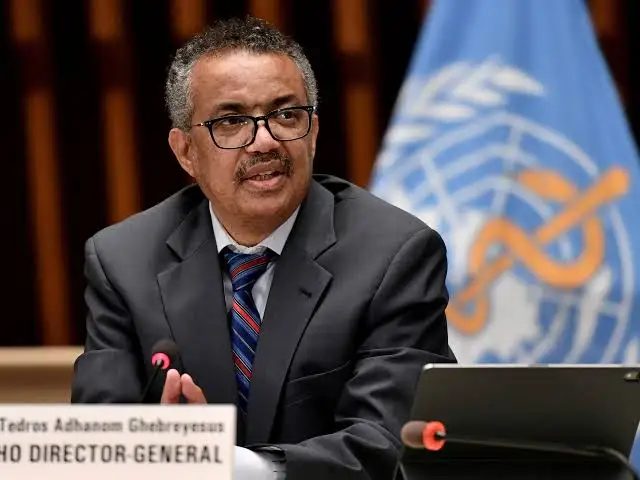
Although the World Health Organization continues to maintain a high alert level in Central Africa, several experts also point out that modern international health protocols are capable of ensuring the safe organization of large international events.
While awaiting the announcement of a new date, African partners hope this setback will remain temporary and will not undermine the momentum of cooperation established between India and the African continent.