

The question of revising the Constitution is once again taking center stage in the political debate in the Democratic Republic of the Congo. Discussions about a possible amendment of the constitutional provisions, particularly those relating to the length and limitation of the presidential term, are sparking strong reactions within the political class and civil society.
For several months, officials of the presidential majority have been advocating for a reform of the Constitution, believing that the current text deserves to be adapted to the country’s political, institutional and security realities. At the heart of the debate is Article 220, which limits the President of the Republic to two terms. This provision is now at the center of the controversy.
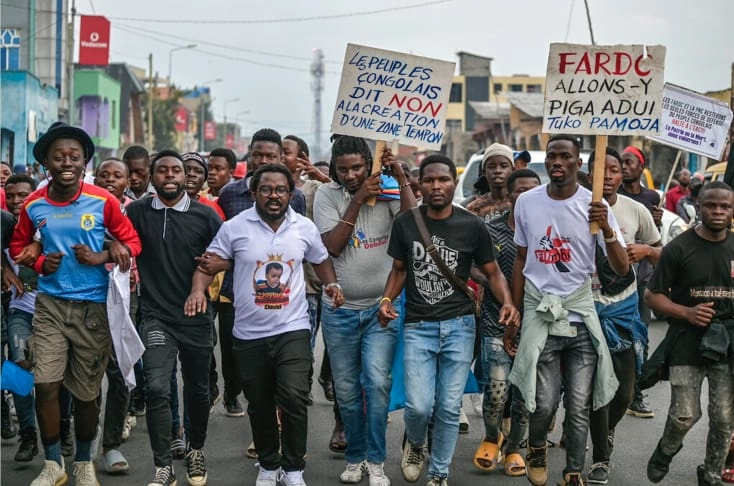
Faced with this prospect, several opposition parties, civil society organizations and citizens’ movements denounce what they consider an attempt to pave the way for a third term for President Félix Tshisekedi. Demonstrations and calls for mobilization have been organized in several cities across the country to defend the retention of the current provisions of the Constitution.
For his part, the head of state affirms that no constitutional reform could take place without popular consultation. He declared that he would accept a possible third term only if the Congolese people expressed it through a referendum, while asserting that he had not himself requested such a change.
This debate comes in a particularly sensitive political context, marked by persistent security challenges in the east of the country and by preparations for the upcoming elections. Several observers fear that this controversy could revive political tensions, as happened in the past during debates on the presidential succession.
While supporters of the reform invoke the need to adapt institutions to current realities, its opponents believe that respect for the Constitution remains an essential pillar of democracy and political alternation in the Democratic Republic of the Congo. The evolution of this issue will be decisive for the country’s political future and will continue to hold the attention of the Congolese people as well as the international community.