

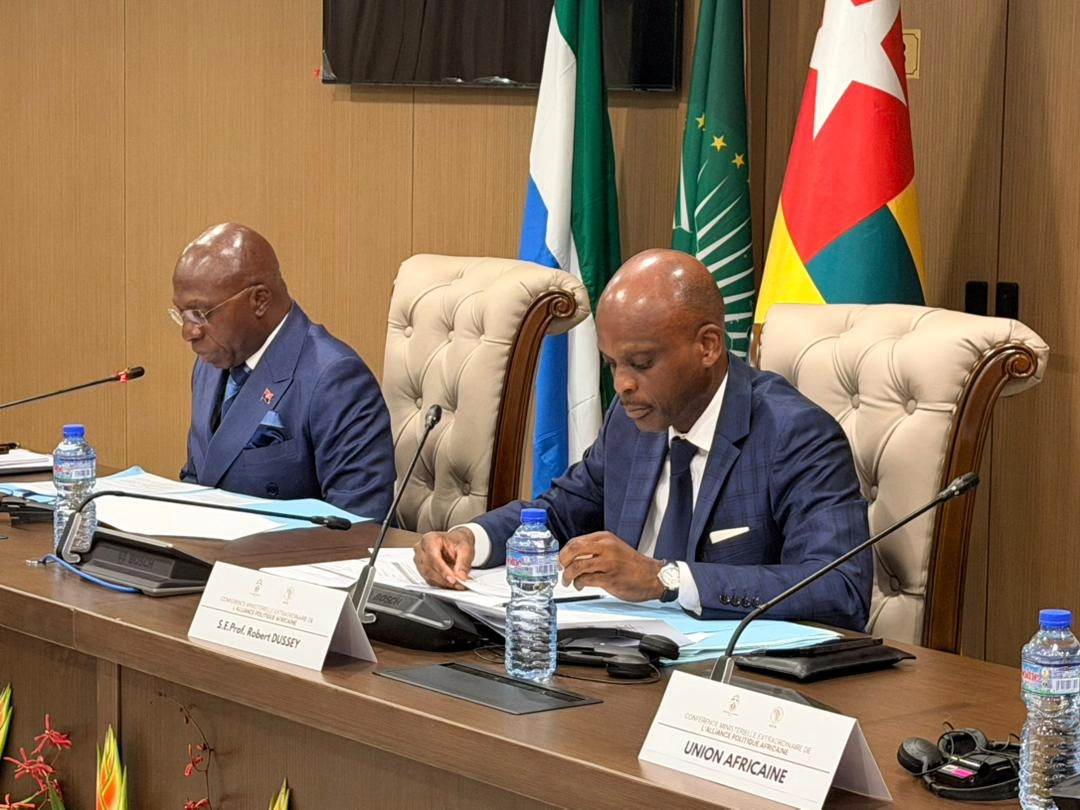
Angolan Minister of Foreign Affairs Antonio Tété has praised the organization of the African Political Alliance (APA) ministerial meeting held in Lomé to discuss the impact of the Middle East crisis on the African continent. The meeting, which took place on July 3 in the Togolese capital, brought together ministerial delegations from several African countries to exchange views on the economic, security, and geopolitical consequences of the ongoing conflict.
Leading the Angolan delegation, Antonio Tété also served as the rapporteur of the meeting, presenting the final communiqué at the conclusion of the discussions. In an interview with a pan-African television channel, he stressed the importance of this consultation, describing it as a crucial step toward enabling African countries to coordinate their positions ahead of formal African Union meetings.
According to Angola’s top diplomat, the objective of the meeting was not to analyze the conflict itself, but rather to assess its impact on Africa’s economies and overall stability. He emphasized that Africa’s historical and geographical ties with the Middle East make the continent particularly vulnerable to the consequences of regional tensions, especially in terms of energy markets, supply chains, and international trade.
Antonio Tété noted that the Lomé meeting builds on a series of African initiatives launched since the escalation of hostilities in the Middle East. Similar consultations have already taken place within the Southern African Development Community (SADC), in Egypt, South Africa, and Angola, where authorities conducted a national assessment of the crisis and its implications for the country.
The Angolan minister also highlighted the opportunities that rising global oil prices could create for African oil-producing nations. He argued that the current situation offers these countries a chance to invest in strategic infrastructure projects, including oil refineries, energy facilities, agricultural development, and logistics networks.
Beyond the economic dimension, Antonio Tété believes that the crisis should encourage African countries to strengthen their resilience and reduce their dependence on external markets. He called for accelerated implementation of the African Continental Free Trade Area (AfCFTA) to promote intra-African trade, enhance regional integration, and reinforce the continent’s economic sovereignty.
The Angolan diplomat concluded by congratulating the Togolese authorities for successfully hosting the meeting. He particularly commended the President of the Council of Togo, Faure Gnassingbé, for his commitment to fostering dialogue and cooperation among African nations in addressing major international challenges.
The Lomé meeting reflects the growing determination of African countries to speak with one voice on global issues and to develop coordinated responses capable of safeguarding the continent’s strategic interests amid an increasingly uncertain international environment.