

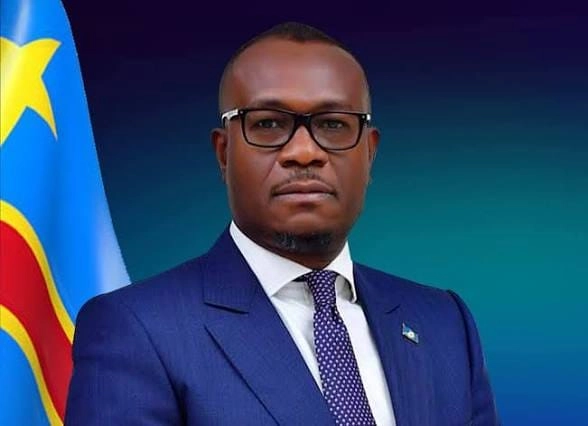
The Burundian President embarks on a delicate mediation mission to foster dialogue between Congolese political actors.
The President of the Republic of Burundi and current Chairperson of the African Union, Évariste Ndayishimiye, is continuing his diplomatic efforts to restore stability in the Democratic Republic of the Congo (DRC). As part of this dynamic, he has invited the Coalition Article 64 for the Defense of Constitutional Order (C64), the main platform of the Congolese opposition, to consultations devoted to the country’s political, security and institutional situation.
In a statement issued on 3 July 2026, the C64 announced that it had accepted this invitation, considering that any initiative likely to preserve constitutional order deserves to be examined seriously. The coalition says it wishes to present to the Burundian head of state its concerns about the future of Congolese democracy as well as the challenges facing the DRC.
This openness to dialogue comes in a context marked by deep political and security tensions. Despite this move, the C64 is not giving up its popular mobilization. It has announced the postponement of its peaceful demonstration in front of the Palais de la Nation to 22 July 2026, also calling on Congolese in the diaspora to organize solidarity marches on the same date, in compliance with the laws of their host countries.
Évariste Ndayishimiye’s initiative represents a new test for African diplomacy. In his capacity as current Chairperson of the African Union, he seeks to bring closer together positions that are sometimes irreconcilable in order to encourage a political solution to the crises shaking the DRC.
The question nevertheless remains open: will Évariste Ndayishimiye manage to bring together the sons of the DRC around the same table? The success of this mediation will depend on the willingness of the various stakeholders to prioritize dialogue, compromise and the higher interest of the Congolese nation. If these consultations pave the way for an inclusive dialogue, they could constitute an important step towards easing the political climate. Otherwise, they would be merely one more attempt in a particularly complex reconciliation process.
The coming days will show whether this African Union initiative can genuinely create the conditions for a lasting rapprochement between Congolese political actors and help strengthen peace and stability in the Democratic Republic of the Congo.