

African states are considering a common response to the geopolitical and economic consequences of the conflict
The ministers of the African Political Alliance (APA) met this Friday, 3 July, in Lomé, Togo, for an important meeting devoted to the consequences of the war in the Middle East on the African continent. Against an international backdrop marked by strong geopolitical instability, the participants intend to define a concerted approach in order to strengthen Africa’s resilience in the face of the economic, security and diplomatic shocks generated by this crisis.
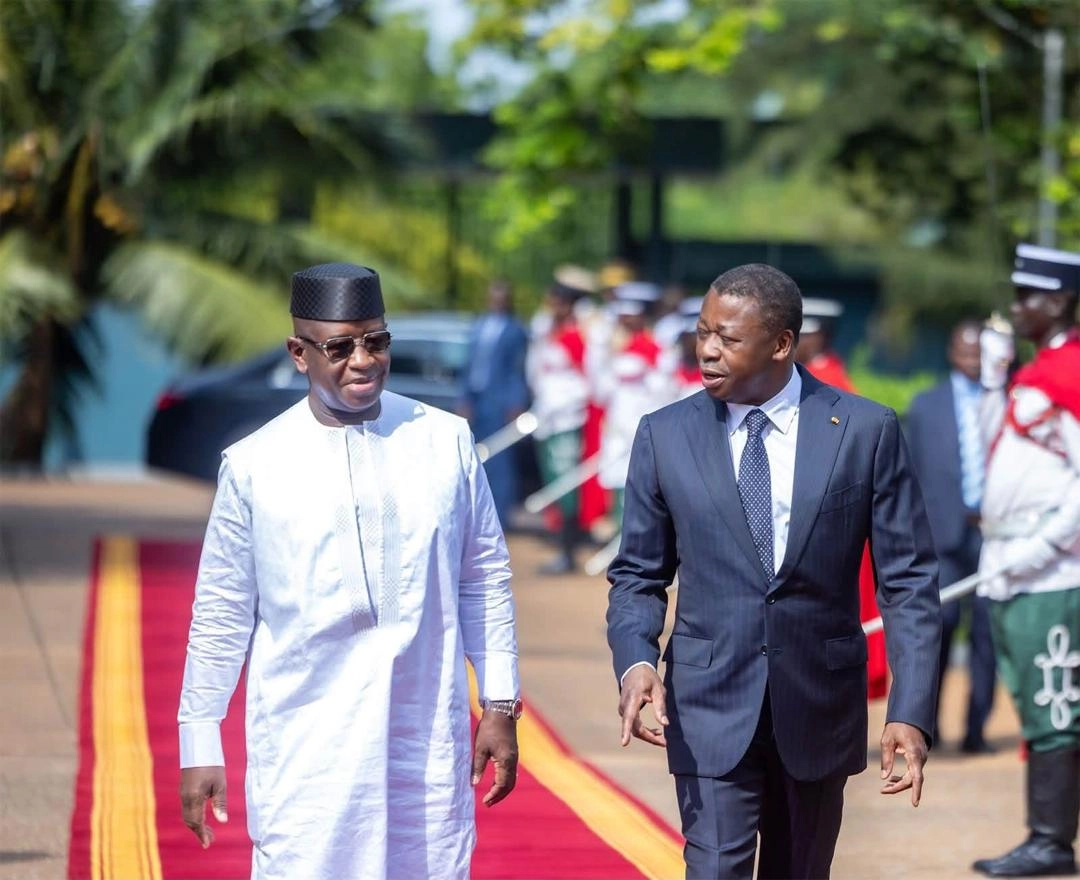
The opening ceremony was chaired by the President of the Togolese Council, Faure Gnassingbé, in the presence of the current Chairman of ECOWAS and President of Sierra Leone, Julius Maada Bio, as well as the African Union Commissioner for Economic Development, Trade, Industry and Mining, Francisca Tatchouop Belobe. This strong mobilisation reflects the importance that African leaders attach to the repercussions of a conflict that extends well beyond the borders of the Middle East.
In his opening address, Faure Gnassingbé called on African states to move beyond their differences of analysis in order to build a common vision in the face of current challenges. According to him, the consequences of the conflict directly affect African economies, regional security and the continent’s ability to contribute to international peace and stability.
The Togolese leader stressed that while some hydrocarbon-producing countries may benefit from the rise in oil prices, the majority of African states suffer the negative effects of increased maritime transport and freight costs, disrupted supply chains and the slowdown of the global economy. He insisted on the need to anticipate these upheavals in order to limit their impact on African populations.
Faure Gnassingbé also called for strengthening the continent’s economic resilience. In particular, he recommended diversifying sources of supply, developing regional interconnections, securing trade corridors, modernising port infrastructure, increasing storage capacity and diversifying trade routes. These are all measures intended to better prepare Africa for the geopolitical crises that could multiply in an increasingly unstable international environment.
The work of this strategic meeting, coordinated by the Togolese Minister of Foreign Affairs, Robert Dussey, continues throughout the day. It is expected to lead to an Africa–Middle East dialogue aimed at identifying the ways in which the African continent could contribute to efforts to stabilise this region of the world.
Founded in Lomé in 2023, the African Political Alliance is thus pursuing its ambition to strengthen consultation among African states on major international issues. This meeting confirms the continent’s determination to speak with one voice in the face of global crises and to defend its interests in a constantly changing international context.