

Alleged overpricing, duplicate payments, disputed public contracts and weaknesses in financial oversight: an audit of Cameroon’s 2020 pandemic response raises serious questions about the management of public resources mobilized during the health crisis.
YAOUNDÉ, Cameroon — The management of funds mobilized by Cameroon to combat the COVID-19 pandemic continues to raise major questions about transparency, accountability and financial governance. In its audit report covering the 2020 financial year, the Audit Chamber of the Supreme Court identified numerous alleged irregularities in the use of resources allocated to the National Solidarity Special Fund against Coronavirus.
Among the main concerns are inadequately documented expenditures, controversial public contracts, repeated payments for similar services and control mechanisms that may not have functioned as intended.
According to figures cited in the materials relating to the audit, approximately CFA francs 180 billion was mobilized for the pandemic response. The management of these resources now calls for detailed explanations regarding contract awards, the actual delivery of funded services and the identification of any individual responsibilities.
Public Contracts Under Scrutiny
One of the most sensitive cases concerns MEDILINE MEDICAL, a company cited in connection with the supply of COVID-19 screening tests. Allegations of overpricing involving CFA francs 15.3 billion have been raised in the account of the audit findings.
These allegations raise questions about the prices charged, supplier selection procedures and the verification mechanisms applied before payments were authorized.
The document also refers to potential conflicts of interest in the award of certain contracts, alongside financial transactions whose justification requires further clarification.
During a public health emergency, exceptional procurement procedures may help governments obtain essential supplies more quickly. However, urgency does not remove the obligation to ensure transparency, effective oversight and proper documentation of public expenditure.
Duplicate Payments and Questions Over Service Delivery
The audit also draws attention to several transactions that may have resulted in duplicate payments.
The construction of a health facility at Yaoundé-Nsimalen International Airport is among the cases cited. Payments of CFA francs 177.37 million and CFA francs 179.37 million were reportedly made for services described as similar, while other contractual arrangements allegedly covered work already included in an earlier agreement.
The isolation building at Ngaoundéré Regional Hospital and the procurement of personal protective equipment are also mentioned in connection with potentially repeated payments.
These cases require a detailed examination of contracts, invoices, acceptance certificates and payment records. An administrative or financial irregularity, however, does not automatically establish criminal liability. That determination rests with the competent judicial authorities.
Health Facilities Whose Effectiveness Is Questioned
The report also raises concerns about the use of temporary healthcare facilities established during the pandemic.
Treatment centres set up in stadiums, at a reported cost of CFA francs 841.2 million, were allegedly dismantled without receiving patients, partly because of preparations for the African Nations Championship (CHAN).
Hotel requisitions for quarantine purposes, reportedly costing CFA francs 843 million, and the development of the ORCA centre, estimated at approximately CFA francs 1.041 billion, are also cited among operations that raised questions about documentation, monitoring or contractual safeguards.
Additional concerns relate to the conversion of social housing in Yaoundé and Douala into quarantine facilities, as well as payments for hospital development works whose completion may not have been adequately established.
Beyond the financial figures, a fundamental question remains: did these expenditures deliver the expected public health benefits, and were the assets financed with public money properly received, inventoried and monitored?

Public Financial Oversight Under Fire
One of the most troubling findings concerns weaknesses in expenditure control. According to the reported audit findings, the involvement of certain financial controllers, public asset accountants and engineers was excluded or restricted in several operations.
The extensive use of cash payments is also said to have complicated transaction tracing and increased the risk of financial mismanagement.
The report reportedly identifies payments totalling more than CFA francs 815 million across several contracts for which acceptance certificates and completion reports were missing. Such shortcomings make it more difficult to establish whether goods were actually delivered and services properly performed.
The management of medicines, purchases of products presented as locally manufactured after repackaging, and the monitoring of medical stocks are among the other areas of concern.
What Legal Action Could Follow?
In response to the alleged irregularities, the Audit Chamber reportedly issued 30 recommendations, initiated 14 proceedings for management irregularities and one proceeding concerning de facto management, and referred 12 files to the Minister of Justice for examination in relation to potential criminal offences.
If confirmed by the official report, these steps could lead to further investigations and proceedings before the competent courts.
The next challenge is to establish individual responsibility, distinguish administrative mismanagement from criminal offences and, where financial losses are legally established, pursue the recovery of public funds through the appropriate legal mechanisms.
International Partners and the Demand for Accountability
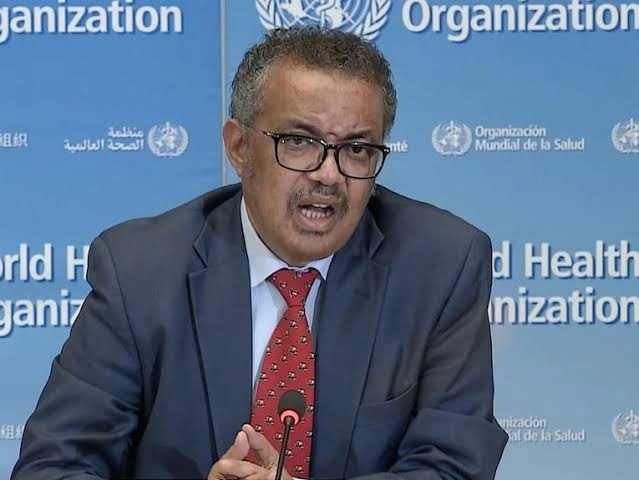
Cameroon’s COVID-19 response took place within a framework of cooperation with several international partners, including the International Monetary Fund (IMF), the World Bank Group and the World Health Organization (WHO).
However, claims that these three institutions jointly demanded convictions or threatened to suspend disbursements must be supported by specific official statements. It is important to distinguish recommendations issued by national oversight bodies from conditions that international financial partners may have imposed on their assistance.
For Cameroon, the credibility of public financial governance will depend on the authorities’ ability to publish verifiable information, implement audit recommendations and safeguard the independence of oversight and judicial proceedings.
Beyond the Scandal: A Demand for Justice
The pandemic forced Cameroon, like many other countries, to make urgent decisions and undertake exceptional expenditure. Yet a public health emergency cannot justify payments without supporting documentation, inadequately supervised contracts or services whose actual delivery remains uncertain.
Citizens have the right to know how resources mobilized in their name were spent. They are equally entitled to expect that responsibility will be established in accordance with the law, without preferential treatment based on an individual’s rank or official position.
The response to this case must therefore go beyond publishing an audit. It requires independent verification, fair judicial proceedings, the recovery of improperly disbursed funds where wrongdoing is established, and lasting reforms to public procurement.
The central question remains: will the audit findings lead to concrete action, transparent accountability and a genuine improvement in the management of public finances in Cameroon?