

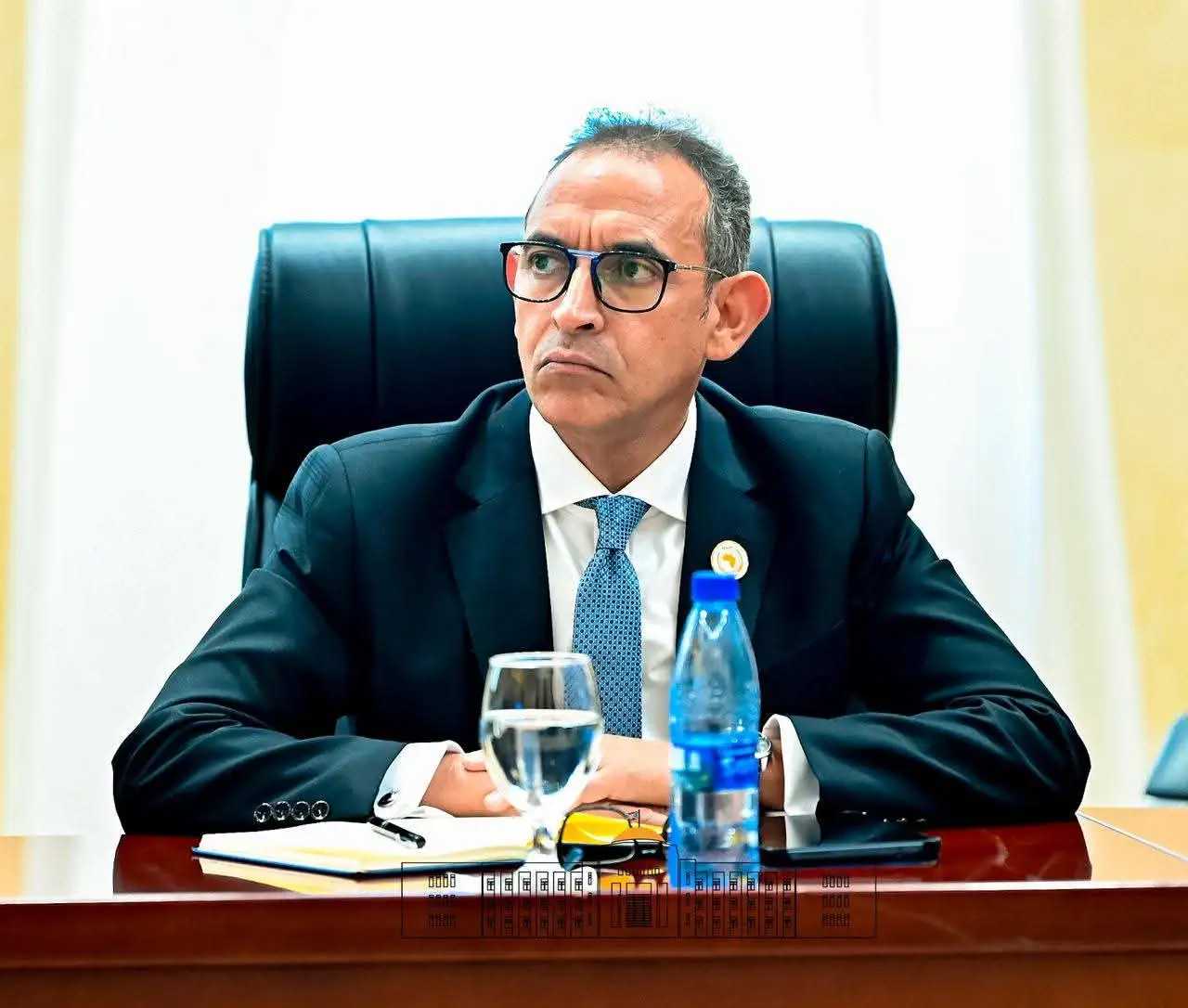
Bujumbura, June 16, 2026 – Faced with the alarming resurgence of the Ebola outbreak in the Democratic Republic of the Congo and Uganda, the African Union has taken a major step forward in mobilizing a continent-wide response to this public health threat. During a high-level virtual summit chaired by His Excellency Evariste Ndayishimiye, President of the Republic of Burundi and Chairperson of the African Union, African leaders and international partners announced financial commitments totaling $910 million to support the response effort.
The meeting, held from the Ntare Rushatsi Palace in Bujumbura, brought together several African Heads of State and Government, as well as representatives of international organizations. Among the participants were the Chairperson of the African Union Commission, Mahmoud Ali Youssouf, and the Director General of the Africa Centres for Disease Control and Prevention (Africa CDC), Dr. Jean Kaseya.
Historic Mobilization Against an Urgent Health Threat
The current outbreak is caused by the rare Bundibugyo strain of the Ebola virus, a particularly concerning variant for which no proven vaccine or treatment currently exists. In response to this situation, President Evariste Ndayishimiye issued a strong call for collective action, urging Member States and international partners to swiftly transform their commitments into concrete measures.
“Every day of inaction is one day too many,” he declared, emphasizing the urgency of a coordinated and effective response to prevent the crisis from worsening.
His appeal received strong support from participants. Financial pledges announced during the meeting reached $910 million, including $80 million committed directly by African States. This remarkable mobilization far exceeds the resources previously available, which stood at only $100 million, while immediate response needs had been estimated at $518 million for the next six months.
African Leadership at the Heart of the Response
Beyond the financial commitments, the meeting highlighted Africa’s growing capacity to take ownership of its public health challenges. Under President Ndayishimiye’s leadership, the African Union demonstrated its determination to play a leading role in addressing health emergencies threatening the continent.
Africa CDC Director General Dr. Jean Kaseya warned of the consequences of delayed action. According to his estimates, the cost of managing the outbreak could reach $1.5 billion within four weeks and rise to as much as $7.5 billion if the necessary measures are not implemented promptly.
This warning further strengthened the resolve of African leaders to act without delay and prevent the disease from spreading across the region.
Strengthened Continental Solidarity
In his remarks, the Chairperson of the African Union reaffirmed the continent’s full solidarity with the affected populations. He stressed the importance of strengthening cooperation between impacted countries and those at risk of infection through more effective cross-border coordination.
This strategy relies on the operational leadership of Africa CDC, with the support of the World Health Organization (WHO) and Regional Economic Communities. In a context marked by population movements and persistent security challenges in some affected areas, such coordination is essential to contain the spread of the virus.
Towards a More Resilient Africa in the Face of Health Crises
Africa CDC’s recent decision to classify Ebola as a “Public Health Emergency of Continental Security” reflects both the seriousness of the situation and the determination of African institutions to anticipate major health threats.
By mobilizing unprecedented financial resources and promoting a collective response, President Evariste Ndayishimiye is advancing a long-term vision aimed at strengthening the continent’s health sovereignty. This initiative could prove to be a decisive turning point in the fight against Ebola while reinforcing Africa’s mechanisms for preventing and managing future health crises.
Through this historic mobilization, the African Union once again demonstrates its commitment to protecting African populations and building a more resilient, coordinated, and better-prepared continental health system capable of addressing the challenges of tomorrow.