

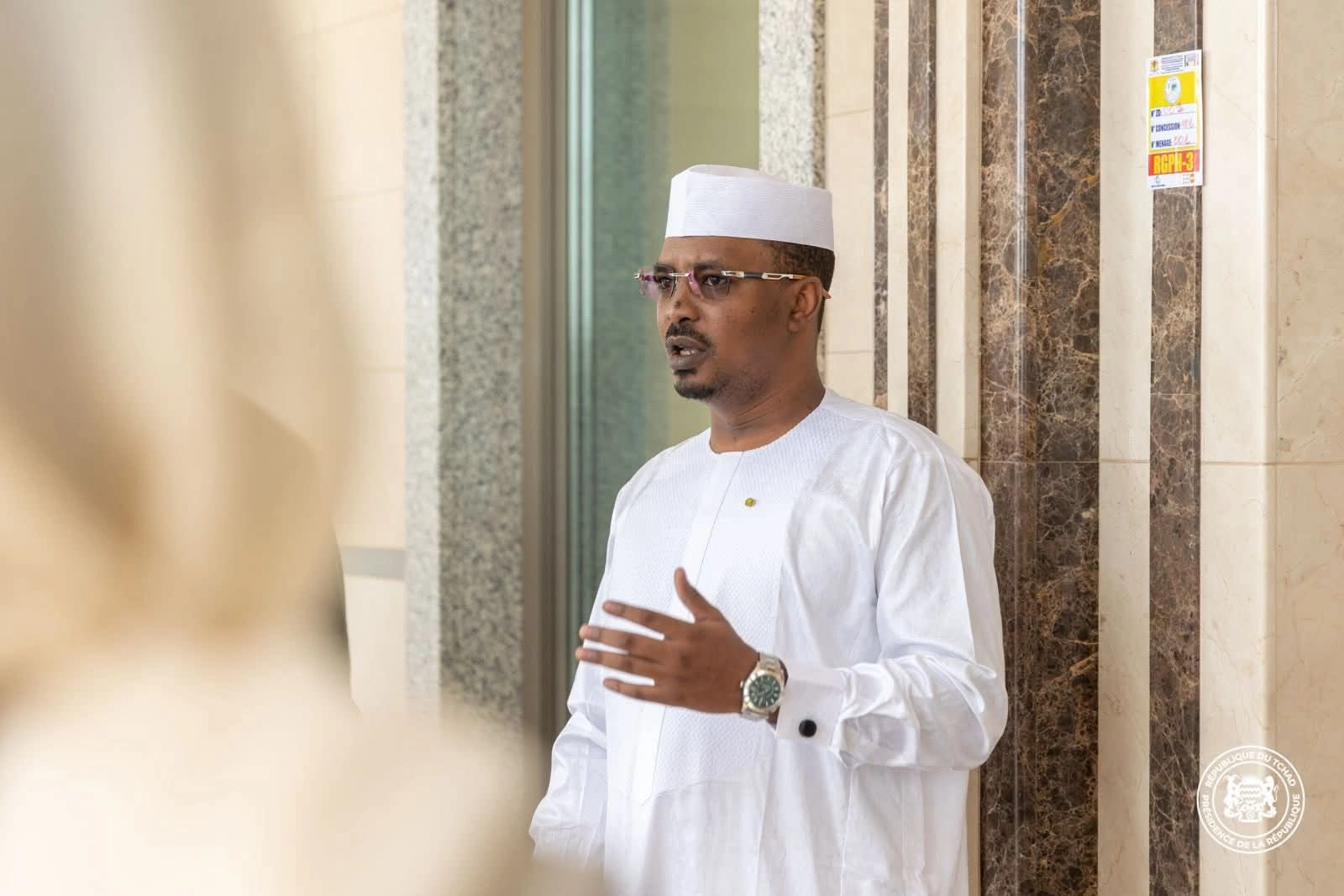
N’Djamena – July 27, 2026, marks a major turning point in Chad’s diplomatic history. The Chadian government officially notified the Secretary-General of the United Nations of its withdrawal from the Rome Statute, the founding treaty of the International Criminal Court (ICC). Presented as a fully sovereign decision, the move reflects the authorities’ determination to redefine Chad’s relationship with international justice mechanisms while reigniting a long-standing debate over the fairness and impartiality of the ICC.
For the government of Marshal Mahamat Idriss Déby Itno, this decision was not prompted by any external pressure. Rather, it is the result of a thorough assessment of more than two decades of the Court’s operations. Government spokesperson Gassim Chérif Mahamat stressed that the withdrawal is an expression of Chad’s sovereign will, aimed above all at safeguarding the nation’s interests and preserving the dignity of the State.
A Challenge to the ICC’s Current Functioning
Since its establishment in 2002, the International Criminal Court has faced recurring criticism from several African countries, which accuse it of applying international justice selectively. Chad argues that the Court’s record reveals a persistent imbalance in the situations it chooses to investigate.
According to the Chadian authorities, most of the ICC’s investigations have focused on African countries, while the overwhelming majority of individuals prosecuted or detained by the Court originate from the continent. For N’Djamena, this concentration has reinforced the perception of a two-tier system of justice, one that disproportionately targets Africa while remaining largely silent on serious crises elsewhere in the world.
This perception has fueled criticism from a number of African leaders over the years, many of whom argue that the ICC has become an instrument of political influence rather than a truly impartial judicial institution.
Renewed Confidence in African Justice Mechanisms
The withdrawal from the Rome Statute does not, according to the Chadian government, represent an abandonment of the fight against impunity. On the contrary, the authorities reaffirm their commitment to ensuring justice for victims while placing greater trust in national courts and African judicial institutions.
Foreign Minister Abdoulaye Sabre Fadoul stated that Chad no longer identifies with the way the ICC currently operates, arguing that its selective prosecutions and structural imbalances are inconsistent with the principles of genuinely universal justice.
For the authorities in N’Djamena, African institutions have significantly strengthened their capacity to prosecute the most serious crimes in accordance with international law and the principles of judicial independence.
Part of a Broader Regional Trend
Chad’s decision comes at a time when several African countries have either withdrawn from the Rome Statute or openly questioned the role of the ICC. It forms part of a broader continental reflection on Africa’s place within international institutions and on the need to build a judicial system perceived as more balanced, representative, and credible.
In accordance with Article 127 of the Rome Statute, Chad’s withdrawal will take effect on July 27, 2027, one year after the official notification. During this transitional period, the country will continue to fulfill its international obligations and cooperate with the Court in relation to ongoing proceedings.
Through this decision, Chad seeks to reaffirm its sovereignty while opening a new chapter in the debate over the reform of international criminal justice. Beyond the Chadian case, the announcement raises broader questions about the future of the ICC, its institutional framework, and its ability to deliver a system of justice that is genuinely universal, independent, and equitable.