

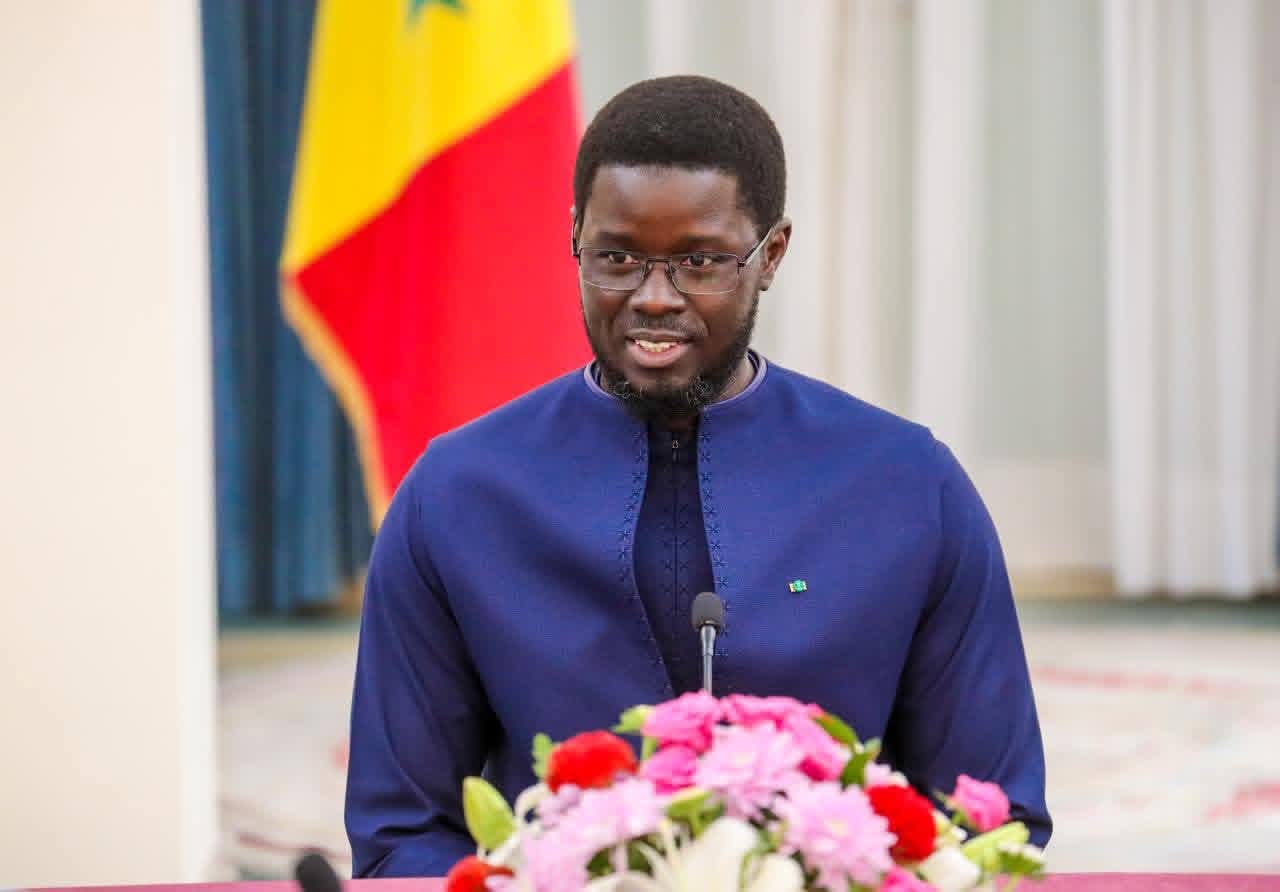
The Pastef-Les Patriotes party, long presented as the main political force for renewal in Senegal, is going through a period of severe turbulence. For several weeks, announcements of resignations have multiplied within the political formation founded by Ousmane Sonko, fueling questions about its ability to preserve its unity and momentum.
Historical cadres, local officials, longtime activists, and members of the party’s youth wing are progressively choosing to distance themselves. This succession of departures is fueling debate about Pastef’s future and the challenges the movement now faces.
Internal Tensions Increasingly Visible
While the reasons cited by those resigning differ, several have pointed to disagreements over internal governance, the party’s operations, or political orientations taken since Pastef assumed national responsibilities.
These departures come at a time when activists’ expectations remain high. The transition from the status of opposition party to one exercising power imposes new political, administrative, and strategic constraints that can intensify internal differences.
A Reshaping of Senegal’s Political Landscape
Successive resignations could favor a reshaping of Senegal’s political landscape. Some former officials could join other political parties, while others might create their own movements to offer a new political alternative.
This evolution could alter the balance of power as the next elections approach and redraw alliances within Senegal’s political class.
Pastef Facing the Challenge of Cohesion
Despite this wave of departures, Pastef retains a significant activist base and remains a major player in Senegal’s political life. However, the party will need to prove that it is capable of overcoming these difficulties, strengthening its internal cohesion, and meeting the expectations of its supporters.
The coming months will be decisive in determining whether these resignations constitute a simple episode of internal tensions or the beginning of a lasting weakening of the political formation.
One thing is certain: the evolution of this crisis will be closely watched, both in Senegal and by observers of West African politics, as it could influence the country’s political balance in the years to come.