

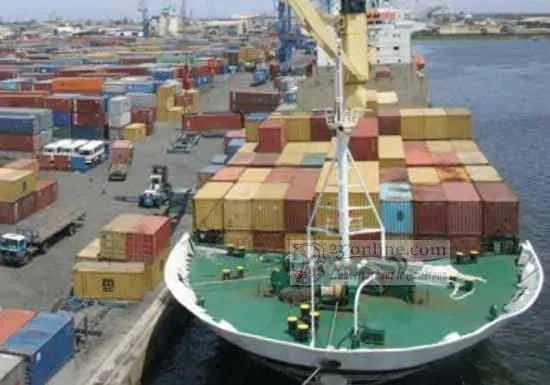
Every day of disruption or slowdown at the Ports of Douala and Kribi carries a significant economic cost for Cameroon. At the center of this issue is SGS, the company responsible for cargo scanning as well as the valuation of vehicles and rolling equipment through the CIVIC certificate.
This dual mandate makes the company an essential checkpoint for thousands of import operations. As soon as delays occur, the entire logistics chain begins to stall.
Importers see their goods held up for days, and sometimes even weeks. Storage charges soar, bank interest continues to accumulate, and delivery deadlines can no longer be met. Car dealerships, transport companies, construction firms, and agricultural operators are among those most directly affected.
The impact is then passed on to consumers. The additional costs borne by businesses are ultimately reflected in the selling prices of vehicles, equipment, and eventually transportation services. This increase contributes to inflationary pressure and further erodes households’ purchasing power.
The regional consequences are equally concerning. Cameroon serves as a major trade gateway for Chad, the Central African Republic, and Equatorial Guinea. If port transit times become increasingly unpredictable, these countries may choose alternative maritime corridors considered more efficient, depriving Cameroon of valuable transit revenues.
The potential economic losses can quickly reach hundreds of millions of CFA francs per day, or even more depending on the volume of affected operations. Over several weeks, these losses can amount to tens of billions of CFA francs in direct costs, postponed investments, and missed economic opportunities.
To safeguard the country’s competitiveness, experts are calling for the modernization of procedures, stronger technical capacity, and reduced dependence on a single operator for such strategically important functions.
Today, the performance of Cameroon’s ports is a critical driver of the nation’s economic growth. Any prolonged disruption to their operations represents a major risk to the country’s economy.