

What began as a legal dispute has now evolved into a major diplomatic crisis.
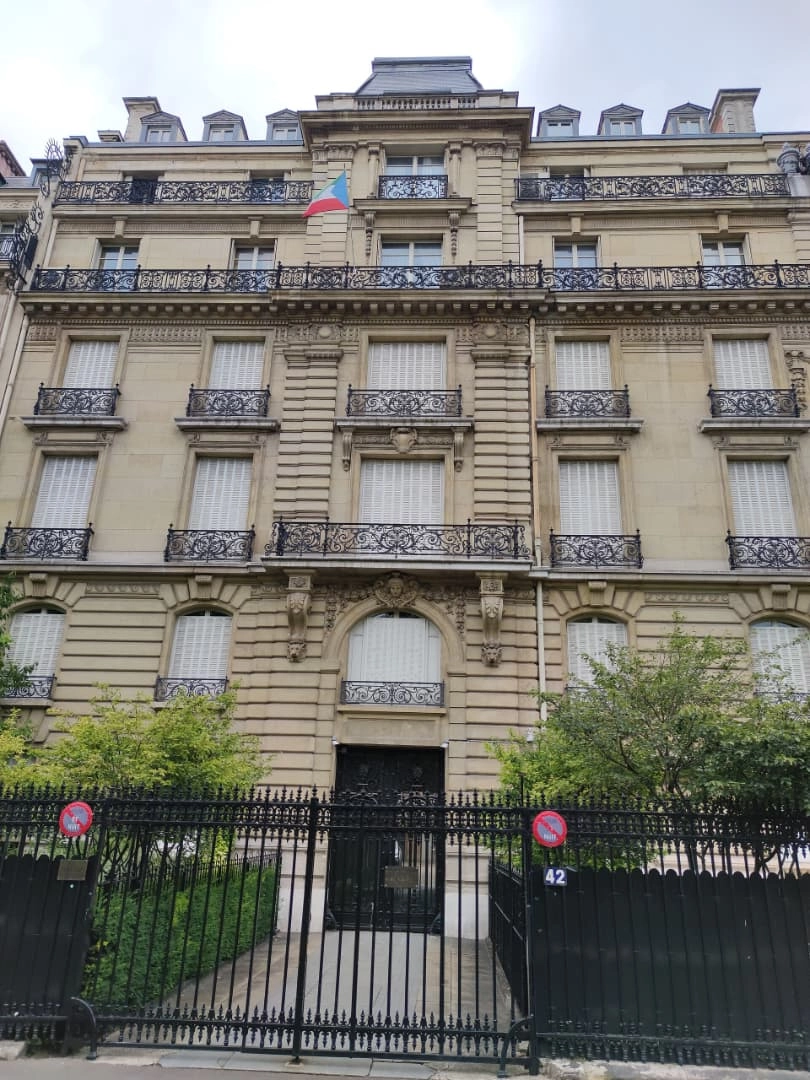
Equatorial Guinea has sharply intensified its criticism of France following the announcement of the planned sale of the building located at 42 Avenue Foch in Paris. In a strongly worded official statement, the government of Malabo categorically rejected the sale, arguing that it violates fundamental principles of international law and undermines the sovereignty of the Equatorial Guinean state.
For years, the property has been at the center of the high-profile "ill-gotten gains" case. It was confiscated by the French judiciary after the conviction of Vice President Teodoro Nguema Obiang Mangue. While France considers the legal proceedings to be final and binding, Equatorial Guinea maintains that the building forms part of its protected diplomatic assets under international conventions.
The publication of a public tender for the sale has been viewed by Malabo as a direct provocation.
In response, the Equatorial Guinean government has threatened to apply the principle of diplomatic reciprocity. Officials have indicated they may reclaim the premises occupied by the French diplomatic mission in Malabo and warned that the escalating dispute could ultimately lead to a complete reassessment of diplomatic relations between the two countries.
The dispute illustrates the symbolic importance of the property. Beyond its considerable financial value, the Avenue Foch building has become, in the eyes of Equatorial Guinea, a symbol of state sovereignty and the recognition of African nations’ rights in the face of foreign judicial decisions.
As the proposed sale approaches, attention is now focused on Paris. Will the French government proceed with the judicial process despite the risk of a serious diplomatic confrontation, or will it seek a political solution capable of easing tensions?
One thing is certain: the standoff between Paris and Malabo is far from over, and its consequences could extend well beyond the fate of a single property.